

Sharp heel pain when you take your first steps in the morning is one of the most common reasons people search for answers about plantar fasciitis. For some, the pain eases as the day goes on. For others, it lingers, worsens, or keeps coming back.
Plantar fasciitis is one of the most common causes of heel pain — but understanding why it happens and when to take action can make a major difference in recovery.
What Is Plantar Fasciitis?
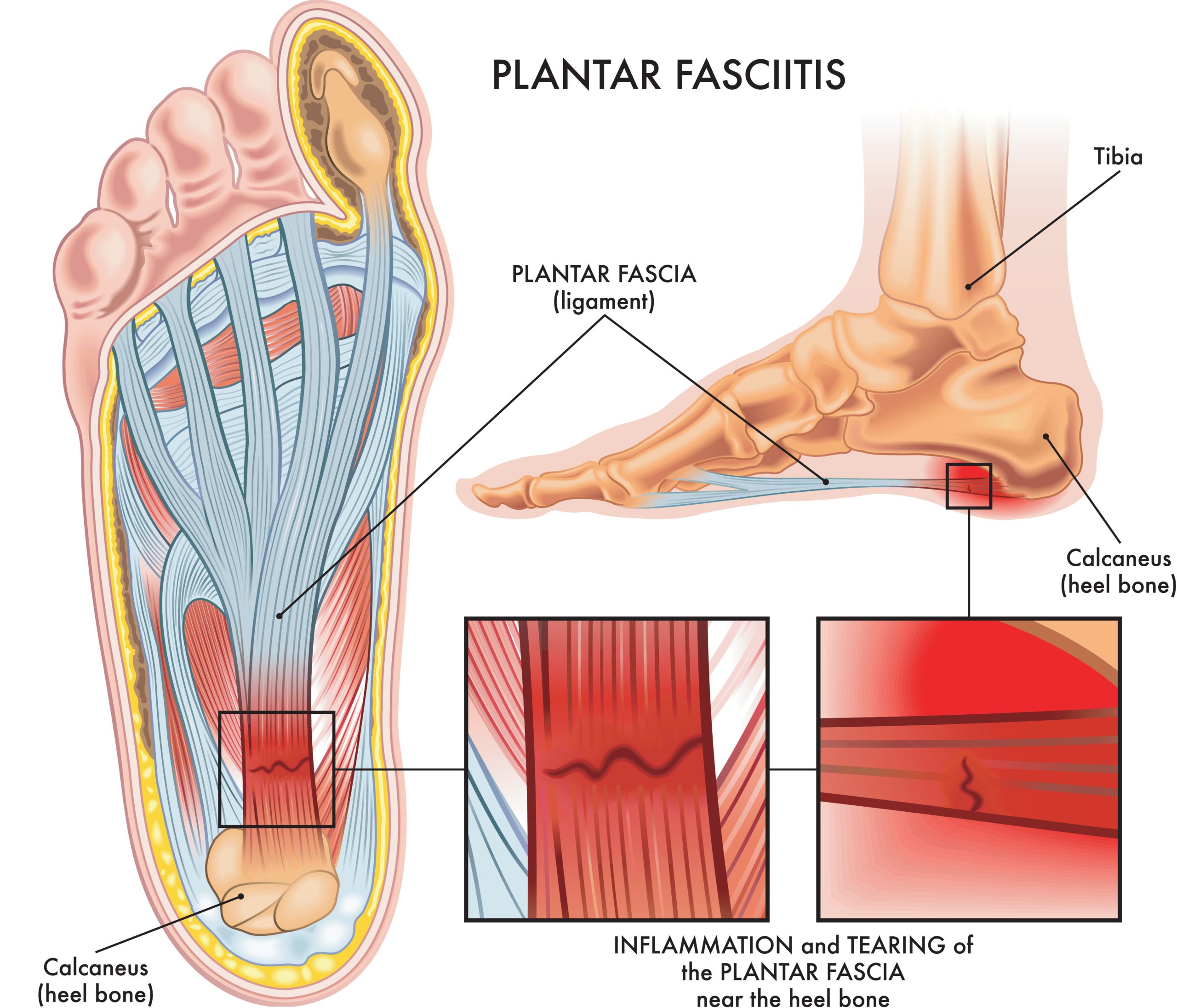
Plantar fasciitis occurs when the plantar fascia — a thick band of tissue running along the bottom of the foot from the heel to the toes — becomes irritated or overloaded.
This tissue supports the arch and absorbs shock when you walk. When it’s stressed repeatedly, small tears can develop, leading to pain and stiffness, especially near the heel.
Despite the name, plantar fasciitis isn’t always just inflammation. In many long-standing cases, the tissue actually begins to degenerate, which is why heel pain can become chronic if left untreated.
Common Symptoms of Plantar Fasciitis
Plantar fasciitis symptoms often include:
- Sharp or stabbing heel pain, especially with the first steps in the morning
- Pain after long periods of standing or sitting
- Heel pain that improves with movement, then returns later in the day
- Tenderness at the bottom or inside of the heel
- Discomfort after exercise rather than during it
Many people describe the pain as deep, tight, or aching — making mornings particularly uncomfortable.
What Causes Plantar Fasciitis?
Several factors can increase stress on the plantar fascia, including:
- Tight calf muscles or Achilles tendon
- Poor or unsupportive footwear
- Long hours of standing or walking on hard surfaces
- Overuse from running or sudden increases in activity
- Flat feet or high arches
- Weight changes that increase pressure on the feet
Often, plantar fasciitis develops from a combination of factors, not just one single cause.
Can Plantar Fasciitis Heal on Its Own?
Some mild cases may improve with rest and basic care. However, plantar fasciitis frequently becomes persistent when the underlying cause isn’t addressed.
Without proper treatment, continued strain on the plantar fascia can lead to:
- Ongoing heel pain
- Changes in walking patterns
- Knee, hip, or lower back pain from compensation
Home Treatments That May Help (Early Stages)
For early or mild plantar fasciitis, conservative care may help reduce symptoms:
- Stretching the plantar fascia and calf muscles
- Wearing supportive shoes — even indoors
- Avoiding barefoot walking on hard floors
- Icing the heel after activity
- Temporarily reducing high-impact activities
- Vibration plate and massage ball daily
These steps may relieve discomfort, but they don’t always resolve the problem if pain continues.
When to See a Podiatrist for Heel Pain
You should consider seeing a foot doctor if:
- Heel pain lasts longer than 2–3 weeks
- Pain continues despite rest or home treatments
- Pain interferes with work, exercise, or daily activities
- Heel pain keeps returning after temporary improvement
Persistent heel pain often requires professional evaluation to identify contributing factors and prevent chronic damage. Learn more about heel pain treatment options available at Feet for Life.
Professional Treatments for Plantar Fasciitis
A podiatrist can tailor treatment based on the cause and severity of your heel pain, including advanced options like shockwave therapy for heel pain, which helps stimulate healing in chronic cases.
Treatment may also include:
- Custom orthotics to support the arch and reduce strain
- Guided stretching and strengthening programs
- Footwear recommendations and activity modifications
Most cases of plantar fasciitis improve with non-surgical care when treated appropriately.
Why Early Treatment Matters
Addressing plantar fasciitis early helps:
- Reduce pain more quickly
- Prevent long-term tissue damage
- Avoid secondary pain in the knees, hips, or back
- Restore normal walking and activity levels
The longer heel pain goes untreated, the harder it can be to resolve.
Get Help for Heel Pain
If heel pain is limiting your day or not improving, a podiatrist can help identify the cause and guide treatment before it becomes chronic. Schedule an evaluation to get started.
At Feet for Life, we focus on relieving pain, restoring function, and helping patients return to daily life comfortably.


